Global Japanese Sushi Rolls
Highlighted under: Distant Flavors | Far Away Food
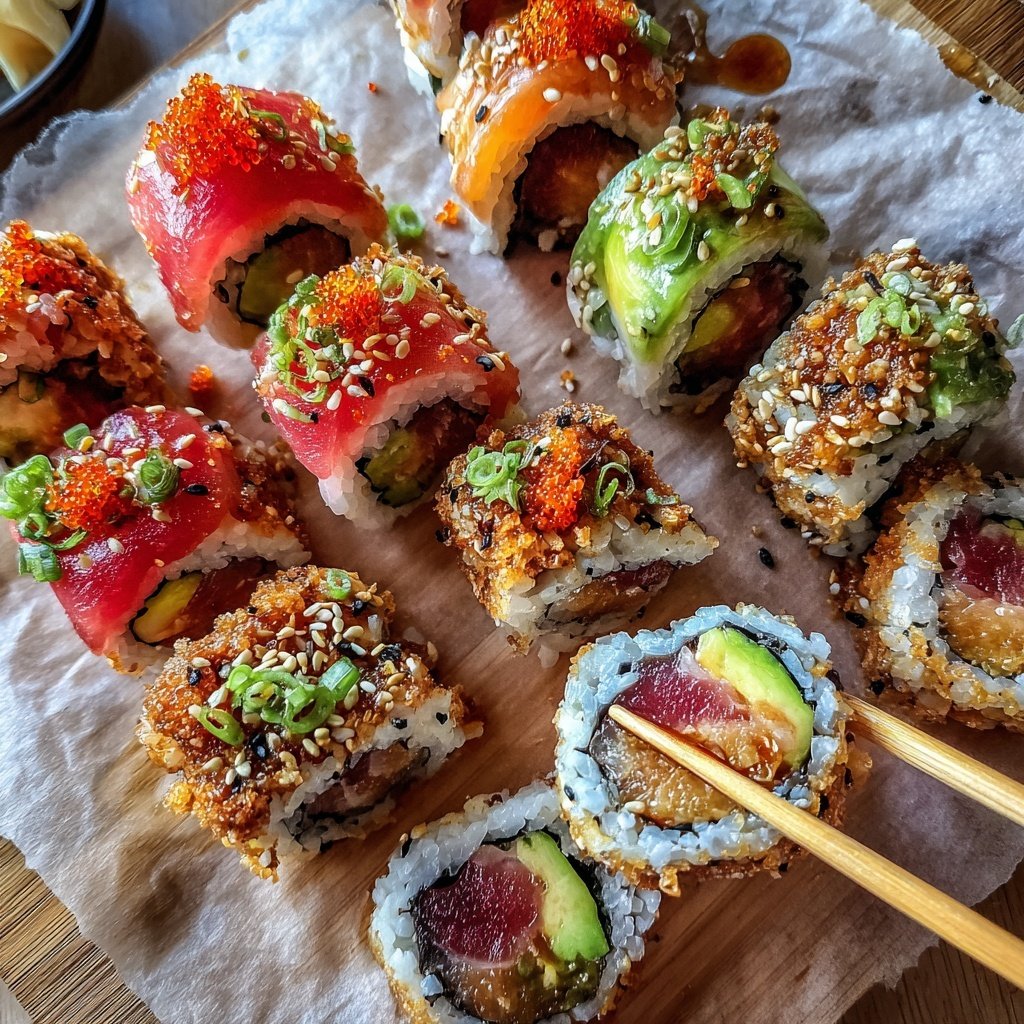
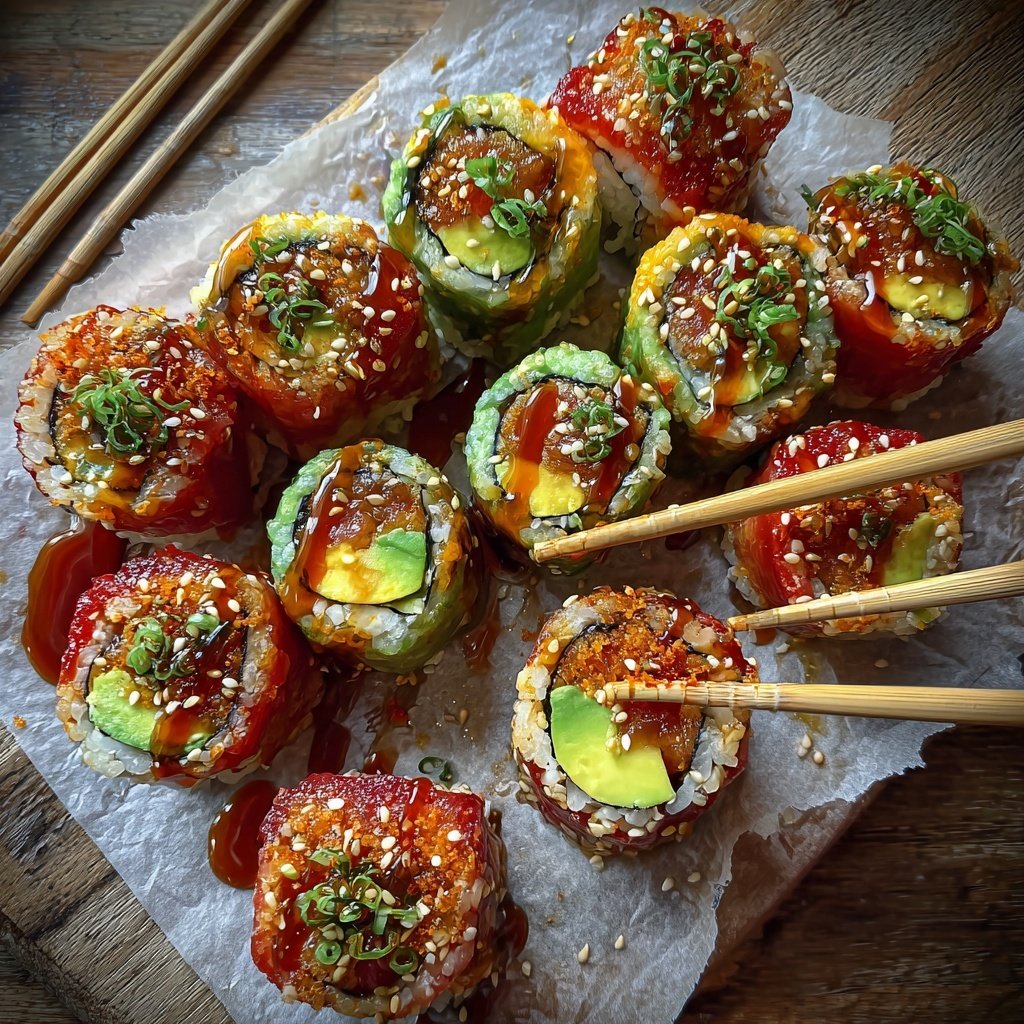
I absolutely love making Global Japanese Sushi Rolls in my kitchen. It’s amazing how easy it is to customize the fillings based on what I have on hand, and the vibrant colors always bring smiles to the table. Rolling sushi might seem intimidating at first, but once I got the hang of it, I realized how satisfying it is to create these beautiful bites of flavor myself. Whether I’m preparing them for a family dinner or impressing friends at a gathering, these sushi rolls never fail to impress with their freshness and creativity.
When I first tried my hand at sushi, I never expected to fall in love with rolling my own! After multiple attempts, I discovered that using a bamboo mat makes a world of difference in achieving that perfect tight roll. This method allows for even pressure throughout and ensures that every filling stays in place, enhancing the sushi experience.
My favorite part is experimenting with different ingredients. From fresh vegetables and fish to spicy sauces, each filling adds a unique touch. I remember creating a mango and avocado roll for a summer party, and it was a hit! What truly surprises me is how versatile sushi can be, catering to every palate and dietary preference.
Why You'll Love Global Japanese Sushi Rolls
- A fun, hands-on meal that's perfect for gatherings.
- Limitless filling options to suit any palate.
- Bright, fresh flavors that balance beautifully.
Mastering Sushi Rice
The foundation of exceptional sushi rolls lies in perfectly cooked sushi rice. Rinse the sushi rice thoroughly under cold water until the water runs clear; this removes excess starch that can make the rice gummy. After cooking the rice, mixing it gently with the vinegar, sugar, and salt mixture is essential. This not only adds flavor but also helps achieve a lustrous finish. Allow the rice to cool naturally, as a warm texture is crucial for achieving the right consistency without making the roll fall apart during shaping.
While preparing sushi rice, be mindful of the cooking technique. If using a rice cooker, avoid lifting the lid during the cooking process to allow for even steam distribution. A ratio of 1:1.25 rice to water typically yields a well-cooked sushi rice. Once your rice is ready, it should be sticky yet tender—perfect for rolling without excessive tearing. Use your fingers to gently fluff the rice before adding it to your rolls to keep grains separate.
Perfecting Your Roll
When preparing to roll your sushi, ensure all fillings are prepped and within arm's reach for quick assembly. I recommend balancing textures and flavors by choosing a mixture of crunchy and creamy fillings, like the combination of fresh cucumber and smooth avocado. Keep in mind that laying fillings too close to the edges can cause spillage while rolling. A well-structured filling layout contributes significantly to a beautifully formed sushi roll.
As you roll, apply an even pressure, allowing the bamboo mat to guide rather than overpowering the nori. Your first few attempts may feel daunting; however, practice improves your technique, enabling you to create tighter rolls with precision. The key is to keep the filling snug but not overly packed. If you find rolls bursting, reduce the number of ingredients slightly in the next attempts for less strain on the nori.
Variations and Creative Combinations
One of the joys of making Global Japanese Sushi Rolls is the countless variations you can explore. If you want to create a vegetarian option, consider fillings like marinated tofu, pickled radish, or soft cream cheese complemented by fresh herbs. For added nutrition, add microgreens or sprouts, which not only enhance flavor but also boost the visual appeal of your rolls. Experimenting with different textures and fillings can yield some truly delightful surprises.
Serving suggestions also vary beautifully. Consider pairing your sushi rolls with a vibrant wasabi and soy dipping sauce, or for something different, whisk together sesame oil and a splash of rice vinegar for an unforgettable taste. To store leftover rolls, wrap them tightly in plastic wrap and refrigerate for up to 24 hours; however, for optimal taste, enjoy them freshly made as the rice can become hard in the fridge.
Ingredients
For the Sushi Rolls
- 2 cups sushi rice
- 2.5 cups water
- 1/3 cup rice vinegar
- 2 tablespoons sugar
- 1 teaspoon salt
- 4 sheets nori (seaweed)
- Avocado, sliced
- Cucumber, julienned
- Carrot, julienned
- Fresh fish or cooked options (like crab or shrimp)
- Soy sauce for serving
Feel free to mix and match your favorite ingredients!
Instructions
Prepare the Sushi Rice
Rinse the sushi rice under cold water until the water runs clear. In a rice cooker, combine the rice and water; cook according to the manufacturer's instructions. Once done, transfer it to a bowl, mix rice vinegar, sugar, and salt, then gently fold it into the rice, allowing it to cool.
Prepare Your Workspace
Lay a bamboo sushi mat on a clean surface. Place a sheet of nori, shiny side down, on the mat. With wet hands, spread an even layer of sushi rice over the nori, leaving about an inch at the top.
Add Fillings
Arrange your choice of fillings horizontally across the center of the rice-covered nori. Make sure not to overfill to ensure a neat roll.
Roll It Up
Using the bamboo mat, gently lift the end closest to you and start rolling away from you, tucking in the filling firmly. Continue rolling until you reach the bare edge of the nori. Use a little water on the edge to seal the roll.
Slice and Serve
With a sharp knife, slice the roll into 6-8 pieces. Wipe the knife with a damp cloth between cuts for cleaner edges. Serve with soy sauce.
Enjoy your homemade sushi rolls with your favorite dipping sauces!
Pro Tips
- To prevent rice from sticking, keep your hands wet while handling it. Additionally, experimenting with unusual fillings can lead to delicious discoveries! Don't hesitate to be creative.
Tips for Ingredient Selection
Choosing the freshest ingredients is essential for delicious sushi. When it comes to fish, look for sushi-grade options, which have been handled according to specific safety standards to ensure they are safe for raw consumption. For seafood lovers, shrimp can be cooked and chilled for a less intimidating alternative to tart raw fish. Moreover, experimenting with various vegetables can not only spark creativity but also allow for the use of seasonal produce, enhancing both flavor and nutrition.
For those with dietary restrictions, sushi rolls can be adapted easily. Substitute sushi rice with quinoa for a gluten-free option or use sushi wraps made from rice paper for a lighter take. Don’t hesitate to use alternatives like smoked salmon or canned tuna for a quicker option that maintains a seafood flavor without the fuss of raw fish prep and safety considerations.
Sushi Rolling Troubleshooting
If your sushi rolls are falling apart upon slicing, it could be due to either too much filling or not enough moisture on the nori's edges. As mentioned earlier, keeping your fillings modest and sealing the roll firmly will significantly improve the final presentation. If you're having trouble with the rice sticking together, try slightly less water in your cooking process or letting the rice cool longer before rolling.
Sometimes, nori can dry out too quickly, especially in low humidity environments. To avoid this, work quickly and keep a damp towel over the unrolled sheets of nori while preparing. And if you find that your sushi lacks flavor, consider adjusting seasoning by incorporating sesame seeds into the rice mixture or adding a thin layer of your favorite sauce on the inside before rolling.
Questions About Recipes
→ Can I make sushi rolls without fish?
Absolutely! You can create delicious vegetarian sushi using ingredients like avocado, cucumber, carrots, or even fruits.
→ How do I properly store leftover sushi?
Store sushi in an airtight container in the fridge for up to 24 hours. However, fresh sushi tastes best when eaten the same day.
→ What is the best way to slice sushi?
Use a sharp knife and a gentle sawing motion. Wipe the knife with a damp cloth between cuts to keep the edges clean.
→ What is sushi rice and how is it different from regular rice?
Sushi rice is a short-grain rice known for its sticky texture, making it ideal for rolling. It's seasoned with vinegar, sugar, and salt, which adds flavor.
Global Japanese Sushi Rolls
Created by: The Hannahsrecipes Team
Recipe Type: Distant Flavors | Far Away Food
Skill Level: Intermediate
Final Quantity: 4 rolls
What You'll Need
For the Sushi Rolls
- 2 cups sushi rice
- 2.5 cups water
- 1/3 cup rice vinegar
- 2 tablespoons sugar
- 1 teaspoon salt
- 4 sheets nori (seaweed)
- Avocado, sliced
- Cucumber, julienned
- Carrot, julienned
- Fresh fish or cooked options (like crab or shrimp)
- Soy sauce for serving
How-To Steps
Rinse the sushi rice under cold water until the water runs clear. In a rice cooker, combine the rice and water; cook according to the manufacturer's instructions. Once done, transfer it to a bowl, mix rice vinegar, sugar, and salt, then gently fold it into the rice, allowing it to cool.
Lay a bamboo sushi mat on a clean surface. Place a sheet of nori, shiny side down, on the mat. With wet hands, spread an even layer of sushi rice over the nori, leaving about an inch at the top.
Arrange your choice of fillings horizontally across the center of the rice-covered nori. Make sure not to overfill to ensure a neat roll.
Using the bamboo mat, gently lift the end closest to you and start rolling away from you, tucking in the filling firmly. Continue rolling until you reach the bare edge of the nori. Use a little water on the edge to seal the roll.
With a sharp knife, slice the roll into 6-8 pieces. Wipe the knife with a damp cloth between cuts for cleaner edges. Serve with soy sauce.
Extra Tips
- To prevent rice from sticking, keep your hands wet while handling it. Additionally, experimenting with unusual fillings can lead to delicious discoveries! Don't hesitate to be creative.
Nutritional Breakdown (Per Serving)
- Calories: 450 kcal
- Total Fat: 10g
- Saturated Fat: 1g
- Cholesterol: 70mg
- Sodium: 500mg
- Total Carbohydrates: 75g
- Dietary Fiber: 4g
- Sugars: 5g
- Protein: 12g