Dessert Vanilla Sponge Cake
Highlighted under: Family Baking
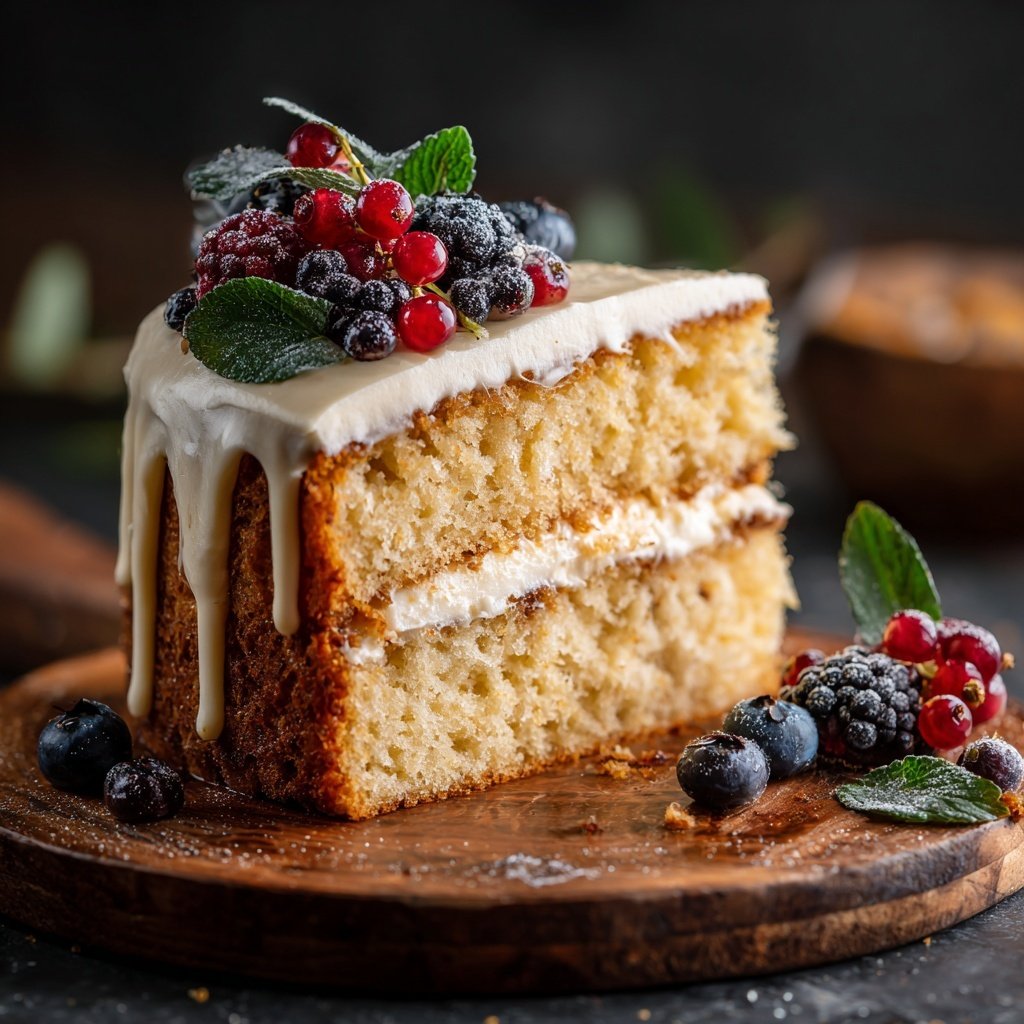
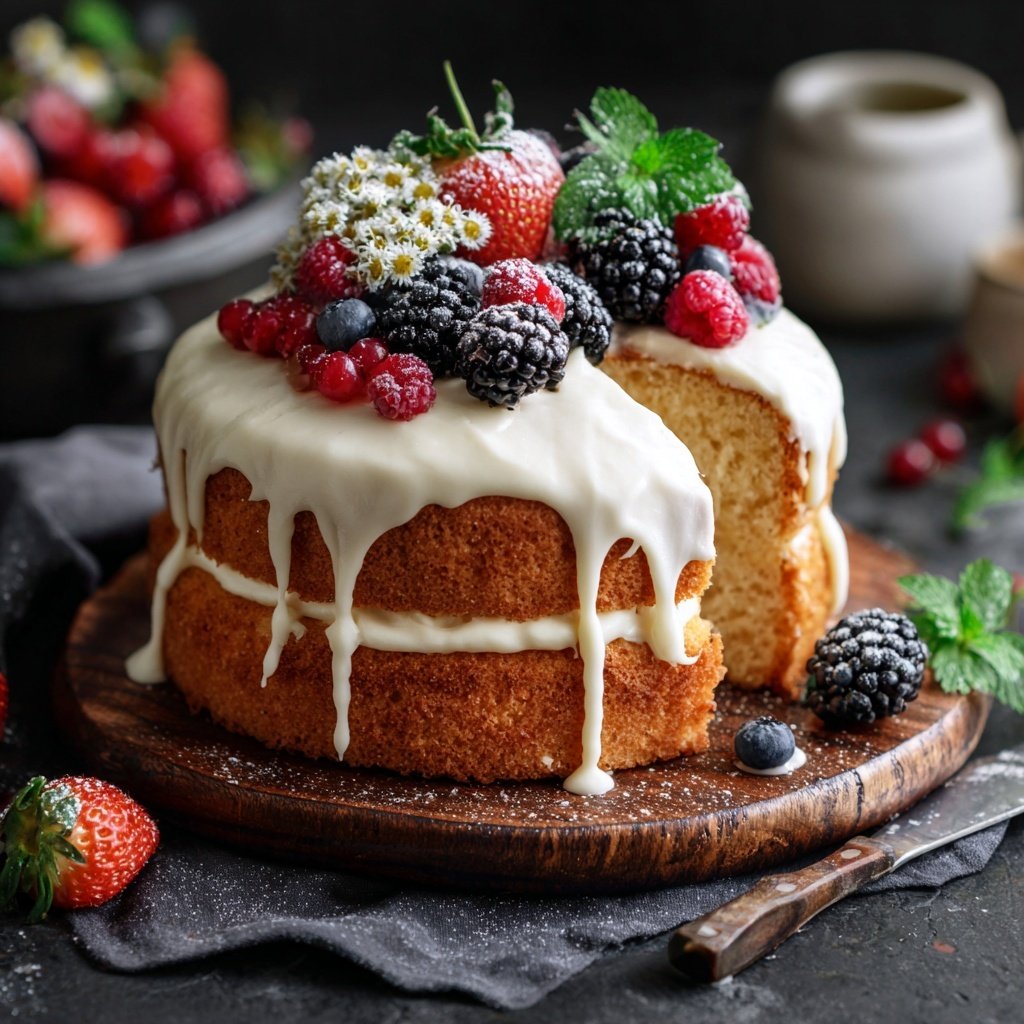
I absolutely love making this Dessert Vanilla Sponge Cake! It's fluffy, light, and has a delightful vanilla flavor that simply melts in your mouth. Whenever I bake this cake, the irresistible aroma fills my kitchen, making it hard for anyone to resist taking a piece as soon as it's out of the oven. Perfect for celebrations or simply as a tasty treat after dinner, this cake has quickly become one of my favorite go-to desserts, delivering both simplicity and elegance.
When I first started baking, this Dessert Vanilla Sponge Cake was one of the first recipes that truly captured my heart. Its simplicity allowed me to focus on mastering the basics of baking, and it was always a hit with friends and family. I learned early on that incorporating room temperature eggs creates a fluffier texture, which is key to a great sponge cake.
Once, I made this cake for a friend's birthday, and it was a huge success. I unexpectedly tweaked the recipe by adding a splash of vanilla bean paste in addition to extract, which elevated the flavor immensely. Trust me, don’t skip this step; it adds that gourmet touch!
Why You'll Love This Dessert Vanilla Sponge Cake
- Light and airy texture that melts in your mouth
- Delicious vanilla flavor that pairs beautifully with any frosting
- Perfect as a base for layered cakes or simply dusted with powdered sugar
The Importance of Eggs in Sponge Cake
Eggs play a crucial role in achieving the light and airy structure of this dessert vanilla sponge cake. When whipped, the eggs create volume and incorporate air into the batter, which is essential for leavening. Make sure to use fresh, large eggs at room temperature; they whip better and produce a fluffier texture. Beating the eggs with sugar until thick and pale will take around 5 minutes, which is vital for the cake’s rise.
For those with egg allergies, a common substitution is flaxseed or chia seed gel, which mimics the binding properties of eggs. Mix 1 tablespoon of ground flaxseed or chia seeds with 2.5 tablespoons of water, let it sit for 5 minutes until it becomes gel-like, and then use it in place of each egg. Keep in mind that this change may slightly affect the texture, but your cake will still be delicious!
Mastering the Mixing Technique
One of the key techniques for making this cake is the gentle folding of the dry ingredients into the egg mixture. This step must be done carefully to avoid deflating the airy batter you’ve created. Use a spatula and a light touch, folding the flour mixture in gradually while rotating the bowl. Mix just until combined; it's okay if there are a few small specks of flour visible. Overmixing can lead to a denser cake, which is not the desired outcome.
Incorporating the melted butter should also be performed with finesse. Pour the warm melted butter around the edge of the batter, and then fold it in as you combine the dry ingredients. This method helps maintain the fluffiness of the batter, ensuring a tender cake. If you notice any lumps, resist the temptation to stir vigorously—those could be the tiny pockets of flour that contribute to the cake's perfect crumb.
Serving and Variations
While this vanilla sponge cake is delightful on its own, consider pairing it with fresh seasonal fruits or a dusting of powdered sugar for added charm. For a more decadent treat, try layering it with whipped cream or adding your favorite frosting between layers. Feel free to make a simple vanilla buttercream or cream cheese frosting, which contrasts beautifully with the cake's light texture.
If you're looking to change things up, experiment with flavoring your cake batter. Adding zest from citrus fruits or a splash of almond extract can introduce a new layer of flavor. You can also replace half of the all-purpose flour with almond meal for a nutty taste and slightly denser texture. Just be aware that these variations might alter baking time slightly, so keep an eye on the cake as it bakes.
Ingredients
Gather your ingredients before starting for a smooth baking experience!
Ingredients for Vanilla Sponge Cake
- 4 large eggs
- 1 cup granulated sugar
- 1 cup all-purpose flour
- 1/2 cup unsalted butter, melted
- 2 tsp vanilla extract
- 1 tsp baking powder
- 1/4 tsp salt
Ensure all ingredients are at room temperature for the best results.
Instructions
Follow these steps carefully, and you’ll have a beautiful cake!
Preheat the Oven
Preheat your oven to 350°F (175°C) and grease and flour an 8-inch round cake pan.
Beat Eggs and Sugar
In a large mixing bowl, beat the eggs and granulated sugar together with an electric mixer on high speed until the mixture is thick and pale, approximately 5 minutes.
Combine Dry Ingredients
In a separate bowl, whisk together the flour, baking powder, and salt.
Combine Mixtures
Gently fold the dry ingredients into the egg mixture, alternating with melted butter. Add the vanilla extract as you stir.
Bake the Cake
Pour the batter into the prepared cake pan and smooth the top. Bake in the preheated oven for 25-30 minutes, or until a toothpick inserted into the center comes out clean.
Cool and Serve
Allow the cake to cool in the pan for 10 minutes, then transfer to a wire rack to cool completely. Serve plain or with your favorite frosting.
Enjoy your delicious cake as is or with your favorite toppings!
Pro Tips
- For an extra flavor boost, consider adding lemon zest or almond extract to the batter.
Storage and Make-Ahead Tips
This dessert vanilla sponge cake can be stored at room temperature for up to three days, covered with plastic wrap to keep it moist. If you anticipate leftovers, it's best to freeze the cake. Just wrap each layer tightly in plastic wrap and follow with aluminum foil. It will keep in the freezer for up to three months. When you're ready to enjoy it, thaw in the fridge overnight and bring it back to room temperature before serving.
If you're planning to make this cake ahead of time for an event, consider preparing the layers a day or two in advance. Just frost the cake on the day you intend to serve it to maintain its freshness. Also, if you're using a frosting that needs to be refrigerated, be mindful that refrigerating a frosted cake can sometimes alter its texture. I always prefer to let it come back to room temperature for the best eating experience.
Troubleshooting Common Issues
A common issue when making sponge cake is it sinking in the middle after baking. This usually happens due to under-baking or overmixing. Ensure you bake the cake until it's golden and a toothpick comes out clean. If your cake has a dome shape, that’s a sign it’s been baked properly; just be cautious not to open the oven door too early, as sudden temperature changes can prevent it from rising evenly.
Another potential issue is dryness. To avoid that, make sure you don’t overbake the cake; keep checking a few minutes before the suggested time. Also, using room temperature eggs and ensuring your butter is melted and slightly cooled before addition will help maintain moisture. If you find your cake comes out dry despite precautions, a simple syrup made from equal parts sugar and water, brushed onto the layers, can help revive moisture.
Scaling the Recipe
Scaling up the recipe to make a larger cake is quite simple! For a 9x13 inch cake, you can typically multiply the ingredients by 1.5. Ensure to adjust the baking time, as larger cakes often take longer to bake through. Start checking for doneness around the 30-minute mark, then add time as needed. This adjustment will allow you to serve a crowd while maintaining the light and fluffy texture you're aiming for.
Conversely, if you need to make a smaller cake or cupcakes, you can halve the ingredients for a 6-inch round cake or fun-sized cupcakes. Just keep an eye on the baking time—mini cakes or cupcakes usually require about 15-20 minutes in the oven. Make sure to use qualified bakeware appropriate for the scaled sizes to maintain uniform heat and cooking.
Questions About Recipes
→ Can I make this cake ahead of time?
Yes, you can bake the cake a day in advance and store it wrapped tightly at room temperature.
→ What can I use instead of vanilla extract?
You can substitute with vanilla bean paste for a more intense flavor.
→ How do I know when the cake is done?
The cake is done when a toothpick inserted into the center comes out clean or with just a few crumbs.
→ Can I freeze this sponge cake?
Yes, you can freeze the cake for up to 3 months. Just wrap it well in plastic wrap and foil.
Dessert Vanilla Sponge Cake
Created by: The Hannahsrecipes Team
Recipe Type: Family Baking
Skill Level: Easy
Final Quantity: 8 servings
What You'll Need
Ingredients for Vanilla Sponge Cake
- 4 large eggs
- 1 cup granulated sugar
- 1 cup all-purpose flour
- 1/2 cup unsalted butter, melted
- 2 tsp vanilla extract
- 1 tsp baking powder
- 1/4 tsp salt
How-To Steps
Preheat your oven to 350°F (175°C) and grease and flour an 8-inch round cake pan.
In a large mixing bowl, beat the eggs and granulated sugar together with an electric mixer on high speed until the mixture is thick and pale, approximately 5 minutes.
In a separate bowl, whisk together the flour, baking powder, and salt.
Gently fold the dry ingredients into the egg mixture, alternating with melted butter. Add the vanilla extract as you stir.
Pour the batter into the prepared cake pan and smooth the top. Bake in the preheated oven for 25-30 minutes, or until a toothpick inserted into the center comes out clean.
Allow the cake to cool in the pan for 10 minutes, then transfer to a wire rack to cool completely. Serve plain or with your favorite frosting.
Extra Tips
- For an extra flavor boost, consider adding lemon zest or almond extract to the batter.
Nutritional Breakdown (Per Serving)
- Calories: 260 kcal
- Total Fat: 11g
- Saturated Fat: 7g
- Cholesterol: 135mg
- Sodium: 180mg
- Total Carbohydrates: 38g
- Dietary Fiber: 0g
- Sugars: 22g
- Protein: 4g